
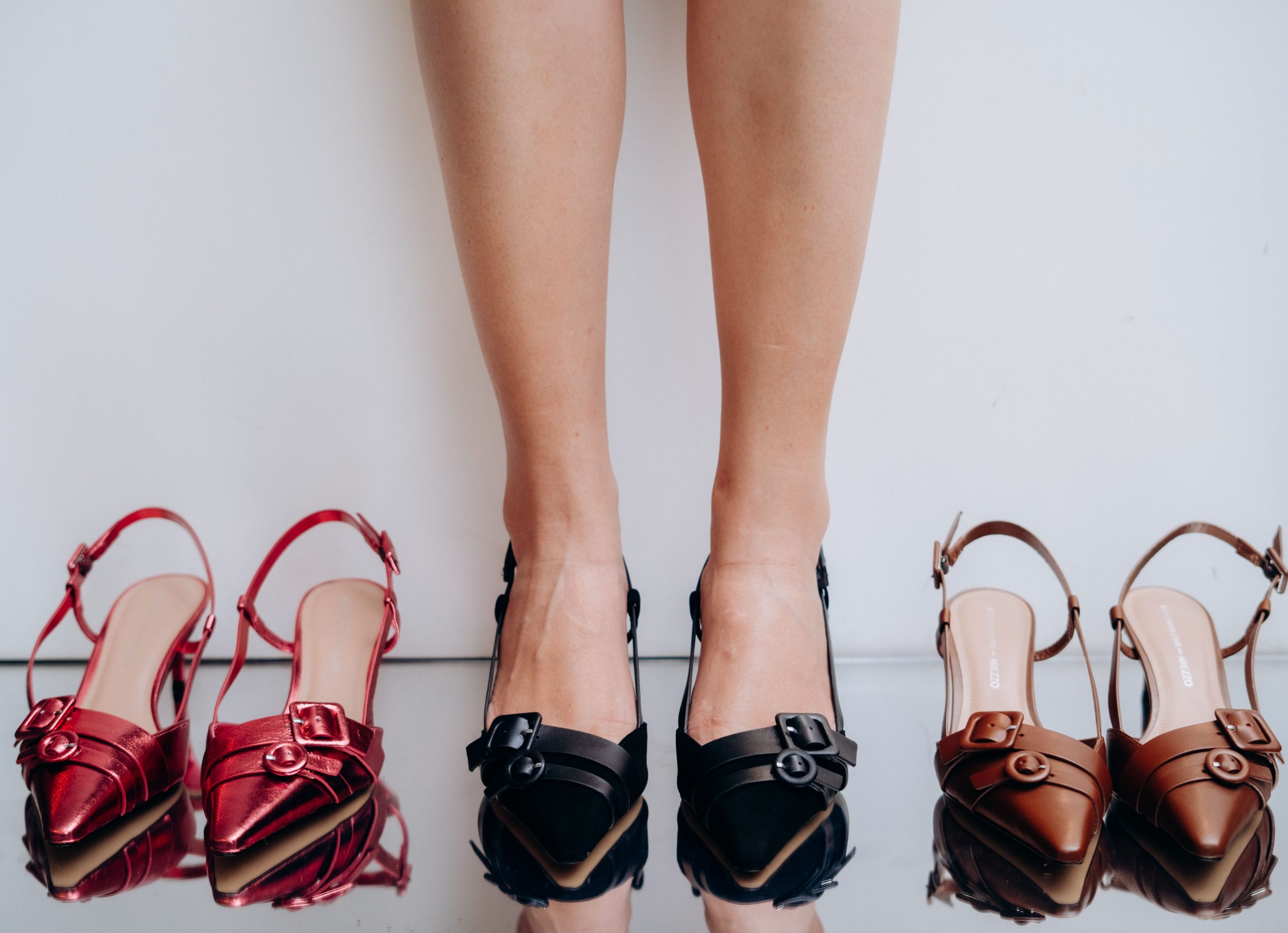
Choosing the perfect shoes for women is not just about finding a beautiful design or following the latest fashion trends. The right pair of shoes should make you feel comfortable, confident, and ready for your day. Whether you are going to work, shopping with friends, attending a wedding, or enjoying a casual walk, your shoes can make a big difference in how you look and feel.
In this guide, we will explain how to choose the perfect shoes for women in simple and easy-to-understand language. You will learn how to find the right size, choose comfortable materials, match shoes with different outfits, select the best styles for various occasions, and take care of your footwear so it lasts longer.
Whether you are buying your first pair of formal shoes or adding something new to your collection, this guide will help you find shoes that combine comfort, quality, and style.
1. Understand Your Needs Before Buying Shoes
Before buying any shoes, think about why you need them. This is one of the easiest ways to avoid wasting money on footwear that you rarely wear.
For example, a woman who spends most of her day in an office may need comfortable flats, loafers, or low heels. Someone who enjoys walking may prefer supportive sneakers. A woman who regularly attends parties or formal events may want elegant heels or stylish dress shoes.
Your daily activities should help you decide which type of footwear is best for you.
Ask yourself a few simple questions before shopping:
- Where will I wear these shoes?
- Will I walk or stand for long periods?
- Do I need them for everyday use or special occasions?
- Will they match the clothes I already own?
- Are they comfortable enough to wear for several hours?
- Do they fit my budget?
Answering these questions can make your shopping experience much easier.
It is also helpful to think about your lifestyle. If you have a busy routine, you may benefit from shoes that are easy to put on and take off. If you travel frequently, lightweight shoes that work with different outfits can be a practical choice.
The best shoes are the ones that fit your lifestyle, not just your wardrobe. A beautiful pair is worth buying when you can actually wear it and enjoy it.
2. Always Choose the Right Shoe Size
One of the most important things to consider when buying women’s shoes is size. Even the most stylish shoes can become uncomfortable if they do not fit properly.
Shoes that are too small may squeeze your toes, create pressure points, and cause blisters. Shoes that are too large may slip off your heels or make walking difficult. Both situations can affect your comfort.
Many people assume that they always wear the same shoe size. However, shoe sizes can vary between brands, designs, and countries. Your feet can also change over time, so it is a good idea to check your size occasionally.
How to find your correct shoe size
Start by measuring both feet while standing. One foot may be slightly larger than the other, which is completely normal. Choose a size that comfortably fits your larger foot.
If you are shopping in a physical store, try both shoes and walk around for a few minutes. Make sure your toes have enough room to move naturally.
Your heel should feel secure without slipping excessively. The shoes should not pinch the sides of your feet or press against your toes.
If you are buying shoes online, carefully read the brand’s size guide. Check the measurements in centimeters or inches when available, rather than relying only on a number such as 7, 8, or 9.
Also, remember these useful tips:
- Try shoes on later in the day when your feet may be slightly larger.
- Wear the type of socks you plan to use with the shoes.
- Check that your toes are not pressed tightly against the front.
- Avoid buying tight shoes because you hope they will stretch enough.
- Check the return and exchange policy before ordering online.
A well-fitting shoe should feel comfortable from the beginning. You should not have to suffer through pain just to make it fit.
3. Put Comfort Before Fashion
Fashion is important, but comfort should always be a major part of your decision. Shoes that look beautiful in a photograph may not feel good when you wear them for an entire day.
Comfort depends on several things, including the shoe’s shape, cushioning, flexibility, weight, and support. The best combination depends on your feet and the activities you do.
For everyday use, look for shoes with a comfortable interior, enough room around the toes, and a sole that provides suitable cushioning. If you spend many hours standing, a supportive design may be more useful than a very thin or stiff sole.
Women who enjoy wearing heels can also find comfortable options. Lower heels, wider heel bases, and designs that distribute pressure more evenly may feel easier to walk in than very high, narrow heels.
However, comfort is personal. A shoe that feels perfect for one woman may not work well for another.
How to test comfort before buying
Do not judge shoes only by how they feel when you are sitting down. Stand up, walk around, turn in different directions, and check how your feet respond.
Pay attention to pressure around your toes, the sides of your feet, and your heels. Notice whether the shoes feel stable or whether you have to change your walking style to keep them on.
If something feels painful or uncomfortable in the store, choose another pair.
Remember: You do not need to sacrifice your comfort to look stylish. Many modern shoe designs offer both.
4. Choose Shoes That Match Your Personal Style
Every woman has her own sense of style. Some prefer simple and classic footwear, while others love bold colors, trendy designs, or eye-catching details.
The perfect shoes should match your personality and make you feel confident. You do not have to buy every style that becomes popular. Instead, choose designs that you genuinely enjoy wearing.
If you prefer a simple wardrobe, neutral shoes in black, white, beige, brown, or navy can be excellent choices. They are generally easy to combine with different outfits.
If you enjoy experimenting with fashion, you might prefer colorful sneakers, metallic flats, patterned sandals, or heels with interesting details.
It is also useful to consider the clothes you already own. Before buying a new pair, imagine at least three outfits you could wear with it. If the shoes work with several items in your wardrobe, you are more likely to use them regularly.
For example, a pair of black loafers can work with trousers, jeans, skirts, and some dresses. White sneakers can create a relaxed look with jeans, casual dresses, or everyday outfits.
On the other hand, a pair of bright red heels may be ideal when you want your footwear to become the main feature of your look.
There is no single style that every woman should follow. The goal is to find shoes that reflect your personality while meeting your everyday needs.
5. Learn About Different Types of Women’s Shoes
Understanding the main types of women’s footwear can help you choose the right pair for each occasion. Every style offers different benefits, so it is useful to know when to wear it.
- Sneakers: Sneakers are popular for casual outfits, travel, shopping, and everyday activities. Many designs provide cushioning and support, making them a useful option for walking. Choose a pair that fits well and suits the amount of walking you do.
- Flats: Flats are a simple choice for women who prefer a low-profile design. They can work well with dresses, skirts, jeans, and office outfits. Look for a secure fit and a sole with enough cushioning, because very thin flats may not suit everyone.
- Heels: Heels can create an elegant look for parties, business events, dinners, and formal occasions. Block heels and lower heels may offer more stability than narrow, high heels. Always choose a height that allows you to walk comfortably.
- Sandals: Sandals are useful in warm weather and are available in casual, sporty, and dressy styles. Adjustable straps can help create a more secure fit. Choose designs that feel stable and are appropriate for the surface and activity.
- Boots: Boots are a practical choice for cooler weather and can add style to jeans, dresses, and skirts. Ankle boots are versatile, while taller boots can provide more coverage. Consider the weather, sole grip, and space for socks before buying.
- Loafers: Loafers combine a neat appearance with a design that is often easy to wear. They can be suitable for offices, meetings, college, and everyday outfits. Choose a pair with enough room across the front of your feet.
You do not need to own every type of shoe. Start with the styles that fit your lifestyle, then add other options when you have a genuine need for them.
6. Select the Best Material for Your Shoes
The material of a shoe affects its appearance, comfort, durability, and maintenance. Some materials are easier to clean, while others offer a more formal look.
Before purchasing footwear, check what it is made from and whether the material suits your needs.
Leather Shoes
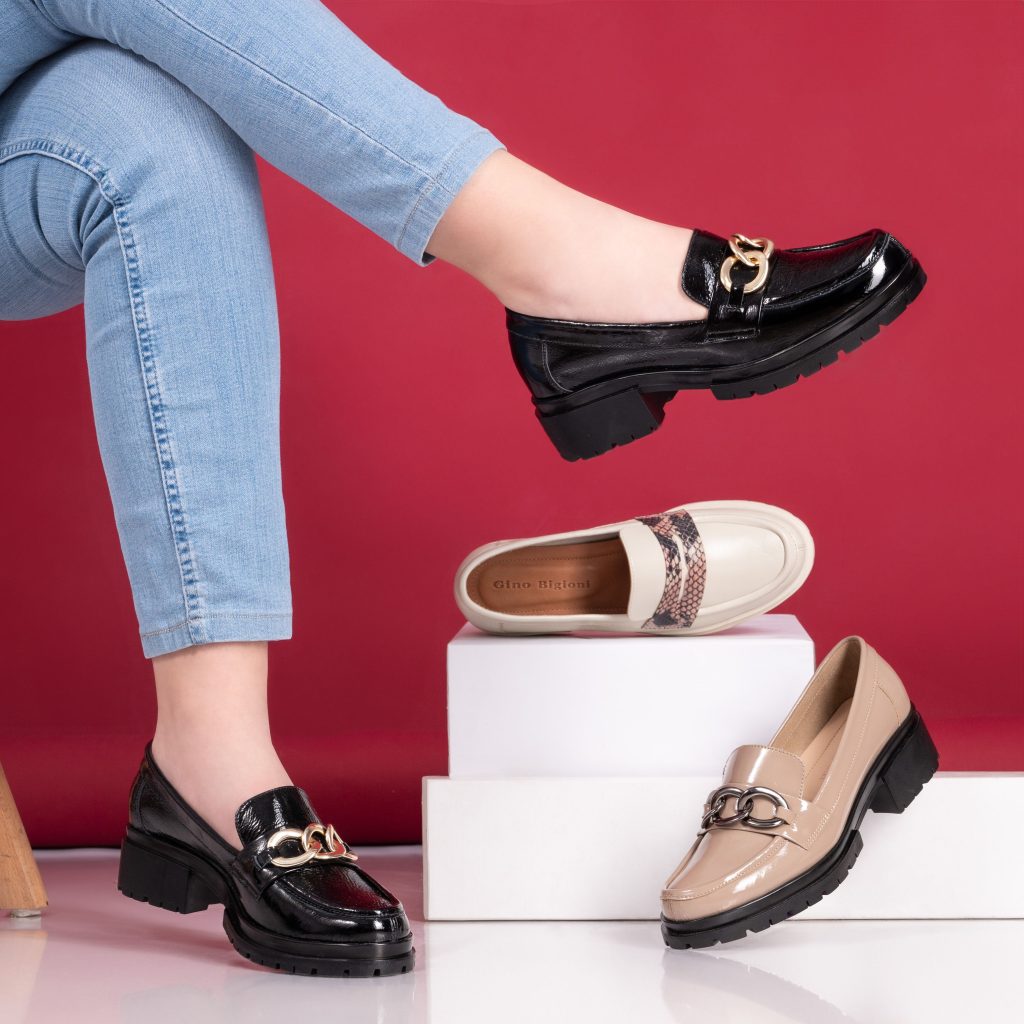
Leather shoes are often chosen for their classic appearance and durability. Quality leather may gradually adapt to the shape of your feet with wear, although the amount of stretching depends on the leather and construction. Leather can be a good choice for formal shoes, loafers, boots, and some everyday styles. However, it usually needs proper care and may require protection from excessive moisture.
Synthetic Materials
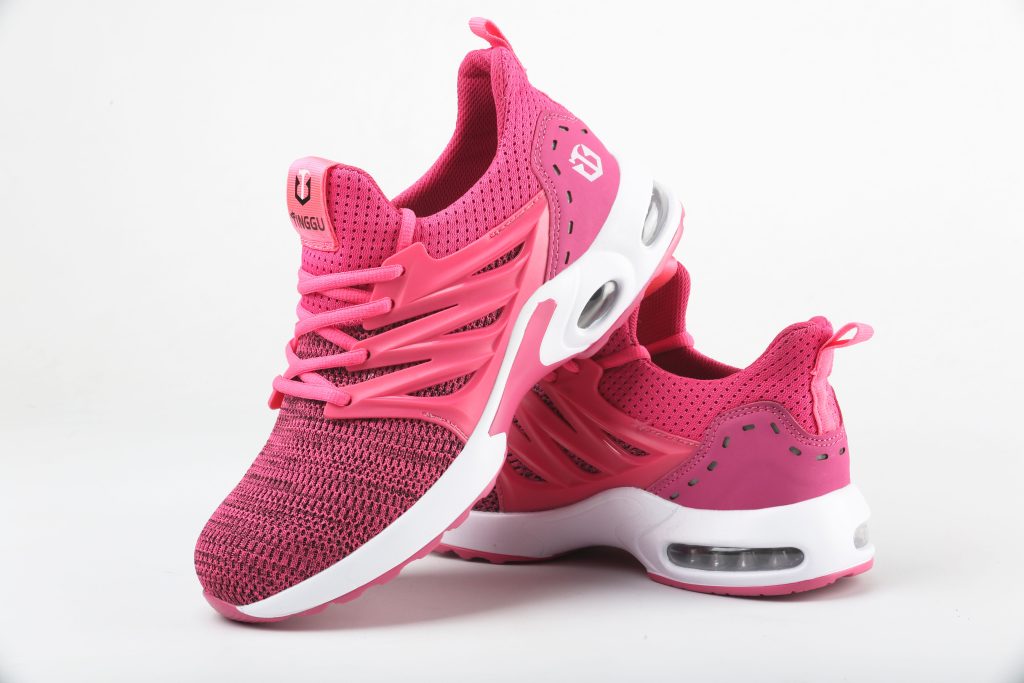
Synthetic materials are widely used in affordable and fashionable footwear. They can come in many colors, textures, and finishes. These shoes may be easier to maintain, depending on the material, but breathability and durability vary between products. Check the inside lining and overall construction before making your decision.
Canvas and Fabric
Canvas and fabric shoes are common in sneakers, casual flats, and summer footwear. They are often lightweight and available in many designs. Some fabric shoes allow good airflow, although this depends on the weave and lining. They may also absorb water or become dirty more easily than certain smooth materials.
Suede
Suede has a soft, textured finish that can look elegant and stylish. It is often used for boots, loafers, and dress shoes. However, suede may need extra care because dirt and moisture can leave marks. A suitable suede brush and protective product can help maintain its appearance.
How to choose the right material
Think about the weather, how often you will wear the shoes, and how much time you want to spend cleaning them. For rainy conditions, look for footwear designed to resist water and provide good traction. For hot weather, consider breathable materials. For regular office use, choose a material that looks appropriate and is easy enough to maintain.
The best material is not necessarily the most expensive one. It is the one that suits your needs and offers good quality for its price.
7. Consider Your Foot Shape
Not all feet have the same shape. Some women have narrow feet, while others have wide feet or a higher instep. These differences can affect how a shoe feels.
A shoe that fits the length of your foot may still feel uncomfortable if it is too narrow across the front. If you have wider feet, look for brands that offer wide-fit options. Rounded or roomy toe shapes may also feel more comfortable than narrow, pointed designs. If your feet are narrow, adjustable straps, laces, or secure fastening systems can help prevent shoes from slipping.
Women with a high instep may find some slip-on designs too tight across the top of the foot. Adjustable straps or laces can make it easier to achieve a comfortable fit. The shape of the toe box is particularly important. Your toes should have enough room to rest naturally without being squeezed together.
You should also consider arch comfort. Some women prefer shoes with more arch support, while others feel comfortable in simpler designs. If you experience persistent foot pain, it is worth seeking advice from a qualified healthcare professional.
Do not buy shoes simply because they fit someone else’s feet perfectly. Choose footwear that suits your own foot shape.
8. Pick the Right Shoes for Different Occasions
A pair of shoes that works well for a wedding may not be the best choice for a long day of shopping. Choosing footwear according to the occasion helps you stay comfortable and look appropriate.
Shoes for everyday wear
For daily activities, consider sneakers, comfortable flats, loafers, or supportive sandals. Choose something that works with your usual clothes and allows you to move easily.
Neutral colors are especially useful because they can match many outfits.
Shoes for work
Office footwear should match your workplace dress code while remaining comfortable enough for your working hours.
Depending on your job, you might choose loafers, low heels, flats, or smart-looking sneakers. If you stand for much of the day, comfort and stability should be major priorities.
Shoes for parties and weddings
Special occasions often call for more decorative footwear. Elegant heels, dressy flats, and refined sandals can complement formal dresses and evening outfits.
However, remember that weddings and parties may involve hours of standing or dancing. If you choose heels, make sure you can walk comfortably in them. You may also want to carry a more comfortable backup pair.
Shoes for travel
Travel often involves walking through airports, visiting attractions, and standing in queues. Lightweight sneakers or supportive walking shoes can make these activities easier.
Choose footwear that you have already worn comfortably. A long trip is not the best time to discover that a new pair causes blisters.
Shoes for exercise
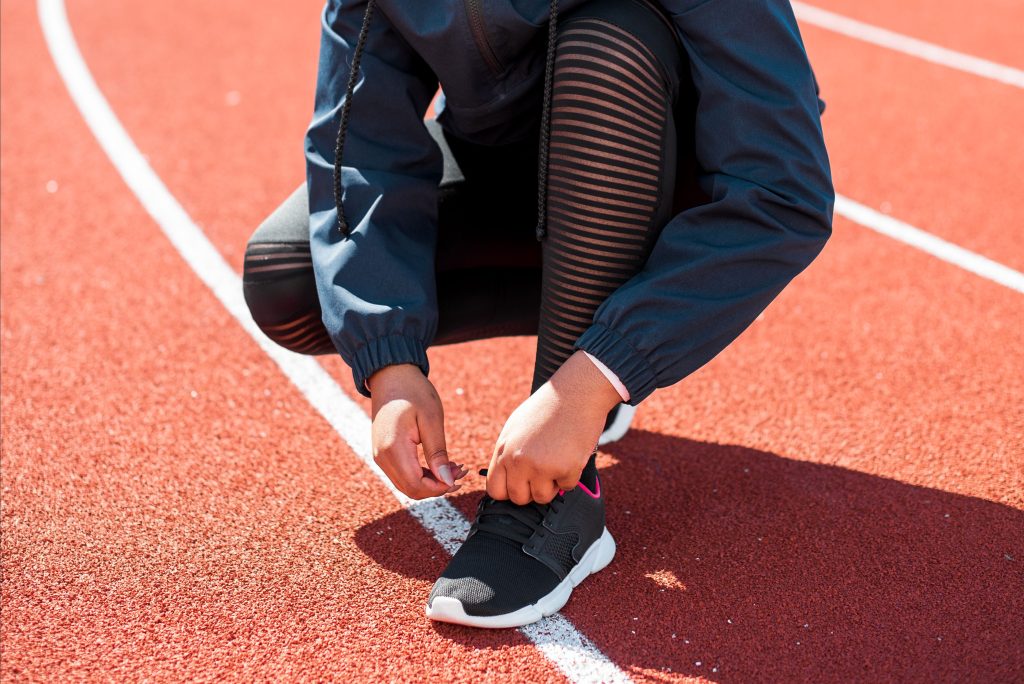
Exercise shoes should suit the activity you plan to do. Running, gym workouts, hiking, and court sports can place different demands on your feet.
Look for footwear designed for your particular activity rather than choosing solely by appearance.
Selecting shoes for the occasion allows you to enjoy your activities without constantly thinking about your feet.
9. Choose Colors That Match Your Wardrobe
Color is another important part of choosing the perfect shoes. The right shade can make an outfit look more balanced and complete.
If you are building a shoe collection from scratch, begin with a few versatile colors.
Black shoes are useful for many formal and casual outfits. Beige and tan shoes can work well with lighter clothing and earthy colors. White sneakers are popular for relaxed, everyday looks, while brown footwear can complement denim, cream, olive, and other natural shades.
Navy can be a useful alternative to black, especially when paired with blue, grey, or white clothing.
Once you have a few basic colors, you can experiment with brighter options.
Red, green, pink, metallic gold, and silver shoes can add personality to simple outfits. For example, a colorful pair of flats can make a plain dress feel more interesting without requiring many accessories.
You do not need every shoe color available. Think about the colors you wear most often and choose footwear that complements them.
A simple tip is to consider your entire outfit rather than matching your shoes to just one item. Your footwear can coordinate with your bag, belt, jewelry, or overall color palette without matching everything exactly.
10. Check the Quality Before You Buy
Good-quality shoes can be a smart investment because they may last longer and feel better when used regularly. However, a high price does not automatically mean that a shoe is well made.
Before buying, take a moment to examine its construction.
Look at the stitching and check whether it appears neat and secure. Inspect the sole to see whether it is firmly attached to the upper part of the shoe. If the design includes straps, buckles, or other fasteners, make sure they feel secure.
Pay attention to the inside of the shoe as well. Rough seams or hard edges may rub against your skin and cause discomfort.
Check the sole’s flexibility. Some shoes should bend naturally near the front of the foot, while others designed for particular activities may have a more structured sole. The right amount of flexibility depends on the shoe’s purpose.
For everyday footwear, a sole with suitable cushioning and grip can be useful. If you often walk on wet surfaces, traction becomes especially important.
Also, consider the overall weight. Very heavy shoes may feel tiring during long periods of walking, although the best weight depends on the intended use.
Finally, review the return policy and warranty, if available. This is particularly important when shopping online.
Quality means more than appearance. It includes comfort, construction, durability, and suitability for the way you plan to use the shoes.
11. Understand Your Budget and Shop Smartly
You do not have to spend a lot of money to find beautiful women’s shoes. The key is to choose wisely and focus on value rather than price alone.
Before shopping, decide how much you can comfortably spend. Then compare different brands, materials, and styles within that budget.
Sometimes, paying a little more for a well-made pair that you wear regularly can be more practical than buying several inexpensive pairs that quickly become uncomfortable or damaged.
However, expensive designer shoes are not necessary for everyone. Many affordable brands offer attractive and comfortable footwear.
Here are some simple ways to shop smartly:
- Compare prices across different stores.
- Look for seasonal sales and discounts.
- Check customer reviews for information about sizing and comfort.
- Read the product description carefully.
- Review the return policy before purchasing.
- Avoid buying shoes only because they are discounted.
- Choose versatile designs that work with several outfits.
Think about cost per wear, too. If you buy a pair for €60 and wear it 60 times, the purchase costs €1 per wear before maintenance. A pair that costs €30 but is worn only three times costs €10 per wear.
This is only a simple comparison, but it shows why a useful, versatile pair can offer better value than an impulse purchase.
The goal is not to own the most shoes. It is to own shoes that you enjoy wearing and that serve a clear purpose.
12. Shop Online Carefully
Online shopping makes it easy to explore many shoe styles without visiting different stores. You can compare designs, prices, colors, and customer feedback in a short time.
However, buying shoes online also comes with a few challenges. You cannot physically try them on before placing an order, and product images may not show every detail.
To make a better decision, start by reading the size guide for the exact brand and model. Do not assume that your size will be identical across every brand.
Read customer reviews, especially those discussing fit, width, comfort, and durability. Reviews can help you identify whether a design tends to run small, large, narrow, or wide, although individual experiences may differ.
Examine the product photographs from different angles. Look at the sole, heel, straps, lining, and toe shape.
You should also read the material description. Terms such as leather, synthetic leather, mesh, and textile refer to different materials, and the description can help you understand what you are buying.
Before placing your order, check delivery charges, estimated delivery times, and the return or exchange policy.
When your shoes arrive, try them indoors on a clean surface. Walk around carefully and check the fit before wearing them outside.
If the shoes cause pain, feel unstable, or do not fit properly, use the seller’s return or exchange process rather than hoping the problem will disappear.
Online shopping can be convenient and enjoyable when you take time to check the details.
13. Avoid Common Shoe-Buying Mistakes
Even experienced shoppers sometimes make mistakes when buying footwear. Understanding these mistakes can help you save money and find shoes that you will actually enjoy wearing.
Buying shoes only because they look beautiful
A stylish design may catch your attention, but appearance should not be the only factor. Check the fit, comfort, quality, and purpose before deciding.
Choosing the wrong size
Never assume that a shoe will fit perfectly just because it has your usual size printed on the box. Always consider the brand’s sizing and the shape of the shoe.
Ignoring the occasion
Buying shoes without thinking about where you will wear them can lead to unnecessary spending. A pair of delicate heels may not be useful if your daily routine involves walking long distances.
Following every fashion trend
Trends can be fun, but they change quickly. Instead of buying every new style, choose designs that suit your personal taste and lifestyle.
Buying uncomfortable shoes and hoping they will improve
Some materials may soften with use, but tightness, painful pressure, and poor fit should not be ignored. A shoe should not cause significant discomfort while you wait for it to become wearable.
Forgetting about maintenance
Shoes can lose their appearance when they are not cleaned or stored properly. Consider how much care a material needs before buying it.
Avoiding these mistakes will make it easier to build a collection of shoes that is stylish, practical, and comfortable.
14. Take Proper Care of Your Shoes
Once you find the perfect pair, taking care of it can help maintain its appearance and extend its useful life.
Different materials need different cleaning methods, so always follow the manufacturer’s care instructions.
For everyday shoes, remove dust and dirt regularly with a suitable brush or cloth. Clean small marks before they become difficult to remove.
Allow shoes to dry naturally if they become damp. Avoid placing them directly next to strong heat sources, as excessive heat may damage certain materials.
Store your shoes in a dry, well-ventilated place. Keeping them away from excessive moisture and direct sunlight can help protect their appearance.
If you wear sneakers regularly, clean the soles and check whether the cushioning or tread has become worn. Leather shoes may benefit from suitable conditioning products, while suede may require a special brush.
It is also useful to rotate your footwear when possible. Wearing the same pair every day can limit the time it has to dry and recover between uses.
Replace shoes when the soles become dangerously worn, the structure is damaged, or they no longer provide the support you need.
Taking care of your shoes is a simple habit that can help you get more value from every purchase.
15. Build a Practical Shoe Collection
You do not need a large shoe collection to look stylish. A small selection of well-chosen pairs can cover many situations.
If you are starting from scratch, focus on versatility.
A practical collection might include:
- Everyday sneakers: For casual outings, errands, and travel.
- Comfortable flats or loafers: For work, college, and smart-casual outfits.
- Formal shoes: For weddings, parties, and special occasions.
- Sandals: For warm weather and relaxed summer outfits.
- Boots: For cooler weather, depending on your local climate and needs.
This is only a starting point. You may need fewer pairs or different styles depending on your lifestyle.
For example, someone who works from home may not need several pairs of formal shoes. A woman who spends most of her time outdoors may benefit from durable walking shoes instead.
Think about how often you wear each type of footwear and which activities are most important in your life.
A practical collection saves space, reduces unnecessary spending, and makes it easier to choose an outfit each day.
Most importantly, buy new shoes because they fill a real need or bring you genuine enjoyment, not simply because you feel you should own more.
16. Simple Tips for Finding the Perfect Shoes for Women
If you want to make shoe shopping easier, remember these simple tips.
Know your size. Check your measurements and try shoes on whenever possible.
Think about comfort. Pay attention to the fit, cushioning, toe space, and stability.
Choose the right material. Consider your climate, activities, and how much maintenance you are willing to do.
Match your lifestyle. Buy shoes that suit your daily routine instead of choosing styles you are unlikely to wear.
Keep your wardrobe in mind. Select colors and designs that work with several outfits.
Check quality. Examine the stitching, sole, lining, fasteners, and overall construction.
Set a budget. Compare options and focus on value rather than price alone.
Shop carefully online. Read sizing information, customer reviews, and return policies.
Take care of your footwear. Regular cleaning and proper storage can help your shoes last longer.
Trust your comfort. If a pair hurts or feels unstable, look for a better option.
These small steps can make a big difference when you are deciding which shoes to buy.
Conclusion
Choosing the perfect shoes for women becomes much easier when you focus on the things that matter most: comfort, fit, quality, personal style, and purpose.
The right pair should suit your feet, match your lifestyle, and work well with the clothes you enjoy wearing. Whether you prefer elegant heels, comfortable flats, casual sneakers, stylish boots, or simple sandals, there are plenty of options to suit different needs and budgets.
Always remember that beautiful shoes do not have to be uncomfortable, and good-quality footwear does not always have to be expensive. By understanding your foot shape, choosing the correct size, checking the materials, and shopping carefully, you can find shoes that offer both style and everyday practicality.
It is also important to think beyond the first impression. Consider how often you will wear a pair, where you will use it, and whether it provides the comfort and support you need. A thoughtful purchase is often more rewarding than buying shoes simply because they are fashionable.
You do not need dozens of pairs to create a great shoe collection. A few versatile, well-made options can help you feel confident and prepared for many different occasions.
The perfect shoes are not just the ones that look good on your feet. They are the ones that help you feel comfortable, confident, and happy wherever your day takes you.
Take your time, understand your needs, and choose footwear that works for you. When comfort and style come together, finding the perfect pair becomes a much more enjoyable experience.
